
Apr 17, 2026
Securing Your Digital Footprint: The Comprehensive Guide to Two-Factor Authentication
In an era where digital identity is the cornerstone of daily life, the security of personal and professional information has never been more critical. As cyber threats evolve—ranging from sophisticated phishing campaigns to large-scale credential stuffing—relying solely on a single password has become a significant liability. Two-factor authentication (2FA) serves as a fundamental layer of defense, ensuring that even if a password is compromised, unauthorized access remains obstructed. By requiring a second form of verification, 2FA effectively bridges the gap between convenience and robust security.
Understanding the Mechanics of 2FA
At its core, two-factor authentication is a security process that requires users to provide two different authentication factors to verify their identity. This approach follows the principle that security is most effective when it combines distinct categories of evidence. The National Institute of Standards and Technology (NIST) defines these categories clearly: "something you know," "something you have," and "something you are."
A standard login sequence often relies on "something you know," such as a password or a PIN. While these are necessary, they are vulnerable to interception. By adding a second factor, the system validates that the user also possesses a physical device or physical trait associated with the account. This layered strategy is highly effective against remote attacks where a malicious actor might obtain a password but lacks physical control over the second factor, such as a mobile device or a hardware key.
The Evolution of Authentication Factors
The landscape of identity verification has shifted significantly, moving away from static, knowledge-based secrets toward dynamic, possession-based methods. Modern implementations of multi-factor authentication often blend these categories to enhance user trust and security.
- Knowledge Factors: These include passwords, PINs, or answers to pre-defined
security questions. While common, these are increasingly viewed as the weakest link in the security chain due to risks like credential reuse and brute-force attacks.
- Possession Factors: This category involves items like physical security tokens,
smartphones receiving one-time passwords (OTP), or hardware-based FIDO2 keys. Possession factors are significantly harder for attackers to replicate remotely.
- Inherence Factors: Often called biometrics, these factors rely on physical traits such
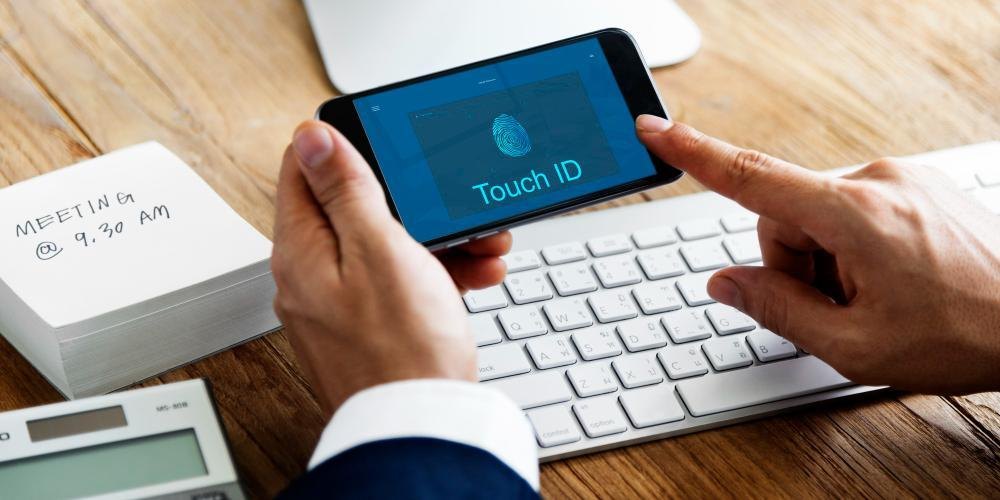
as fingerprints, facial geometry, or iris patterns. These are increasingly utilized in modern digital trust architectures to provide a seamless yet secure user experience.
Comparison of Authentication Methods
| Method | Security Level | Convenience | Primary Vulnerability |
|---|---|---|---|
| Password Only | Low | High | Phishing/Credential Stuffing |
| SMS OTP | Medium | Medium | SIM Swapping/Interception |
| Authenticator Apps | High | Medium | Device Compromise |
| FIDO2/Hardware Keys | Very High | High | Physical Loss |
Mitigating Modern Cyber Threats
The primary objective of implementing 2FA is to negate the impact of stolen credentials. Research consistently shows that the "human factor," including errors and the use of compromised passwords, accounts for a large majority of successful security breaches.
When a system requires a second factor, the utility of a stolen password diminishes drastically. For instance, in a phishing attack, an attacker might capture a username and password via a fraudulent website. However, without access to the user's mobile device or a generated time-sensitive code, the attacker cannot complete the login process. This "break in the chain" is precisely what makes 2FA a cornerstone of modern cybersecurity defense.
Best Practices for Implementation
To maximize the efficacy of 2FA, both organizations and individual users should adhere to established Digital Identity Guidelines. Relying solely on SMS-based authentication, while better than nothing, is increasingly discouraged due to the rise of sophisticated interception techniques. Instead, shifting toward authenticator applications or dedicated hardware keys is recommended.
Furthermore, the integration of FIDO2 and WebAuthn standards represents the current state-of-the-art in authentication. These standards utilize public-key cryptography to eliminate the need for shared secrets, effectively rendering traditional phishing attempts ineffective. By decoupling the authentication process from the user's memory, these methods reduce "security perplexity"—the cognitive strain experienced when users are unsure how to react to complex, often confusing security prompts.
Frequently Asked Questions
What happens if I lose my 2FA device?
Most platforms provide "backup codes" or "recovery keys" during the initial 2FA setup. It is essential to store these in a secure, offline location. If backup codes are unavailable, the account recovery process typically involves identity verification through email or customer support, which can be time-consuming.
Is biometrics safer than an authenticator app?
Biometrics are highly secure and provide an excellent user experience. However, they are often used in tandem with other factors. While biometrics are difficult to forge, some users prefer authenticator apps for their compatibility across older devices.
Can 2FA be bypassed by hackers?
While no system is 100% impenetrable, 2FA significantly raises the bar for attackers. Advanced "Man-in-the-Middle" (MitM) attacks or session hijacking can occasionally bypass older 2FA methods like SMS. Using modern, cryptographic-based authenticators (like FIDO2 keys) provides the strongest possible resistance against such threats.
Should I use 2FA for every account?
Prioritize accounts that contain sensitive information, such as email, banking, and cloud storage. Ideally, 2FA should be enabled on any platform that stores personal data or financial information.
Conclusion
The implementation of two-factor authentication is not merely a technical requirement; it is a vital step in maintaining the integrity of digital identities. By moving beyond the antiquated reliance on passwords and embracing multifaceted verification, individuals and organizations can drastically reduce their risk profile. As authentication technologies continue to evolve toward more invisible, contextual, and hardware-backed solutions, the barrier between legitimate users and malicious actors will only grow stronger. Evaluating your current security setup and migrating toward hardware-based or application-based 2FA is an actionable, high-impact step toward a more secure digital future. Staying informed about current security standards and audit practices will ensure your digital assets remain protected against the unpredictable landscape of modern cyber threats.
References and Further Reading
Related Blogs

The Complete Home WiFi Security Setup Guide: Protect Your Network and Personal Data
Jun 5, 2026

How to Spot a Fake Text Message in 2026
Jun 4, 2026

Prevent Grandparent Scams Now: A Complete Guide to Protecting Older Adults from Financial Fraud
Jun 2, 2026
Facebook Privacy Settings Guide: How to Take Control of Your Data and Stay Safe Online
May 29, 2026

How to Organize and Backup Digital Photos: A Complete Guide to Protecting Your Visual Memories
May 26, 2026

Where Are My Photos Stored? A Simple Guide to Cloud Storage
May 22, 2026

Essential Phone Security Settings for Seniors: A Comprehensive Guide to Staying Safe in the Digital Age
May 22, 2026
The Complete Guide to Identity Theft Recovery: Reclaim Your Financial Security Step by Step
May 19, 2026

Safe Internet Browsing Practices: A Comprehensive Guide to Protecting Your Digital Life
May 15, 2026

Essential Cybersecurity Guide for Older Adults: Password Management and Scam Prevention
May 13, 2026