
By Margaret Ellis
Senior Technology Editor
Jun 18, 2026
Comprehensive vs Collision Auto Insurance: What's the Difference?
As we navigate the automotive landscape of 2026, the complexity of vehicle ownership has reached new heights. With the proliferation of advanced driver-assistance systems (ADAS), electric vehicle (EV) battery technologies, and shifting climate patterns, understanding your auto insurance policy is more critical than ever. Two of the most misunderstood components of a standard insurance policy are comprehensive and collision coverage. While often bundled together as "full coverage," they serve distinct functions that protect your financial well-being against vastly different types of risk.
In 2026, the average cost of vehicle repairs has surged due to the specialized labor and recalibration requirements of high-tech sensors and cameras. Whether you are driving a legacy internal combustion engine vehicle or a cutting-edge autonomous-ready EV, knowing when each coverage kicks in can mean the difference between a minor out-of-pocket expense and a catastrophic financial loss. This guide breaks down the technical nuances, coverage triggers, and strategic importance of comprehensive and collision insurance in the modern era.
Understanding Collision Insurance: Protecting Your Asset in Motion
Collision insurance is designed to cover damage to your vehicle resulting from a collision with another vehicle or a stationary object. In the 2026 insurance market, collision coverage has become increasingly vital due to the rising costs associated with body shop labor and high-complexity replacement parts.
What Collision Insurance Typically Covers
- Accidents with other vehicles:Whether you are at fault or not (in some jurisdictions), this covers the cost to repair your car after striking another vehicle.
- Single-vehicle accidents:If you lose control on an icy road and hit a guardrail, a tree, or a parked car, collision coverage pays for the damage to your vehicle.
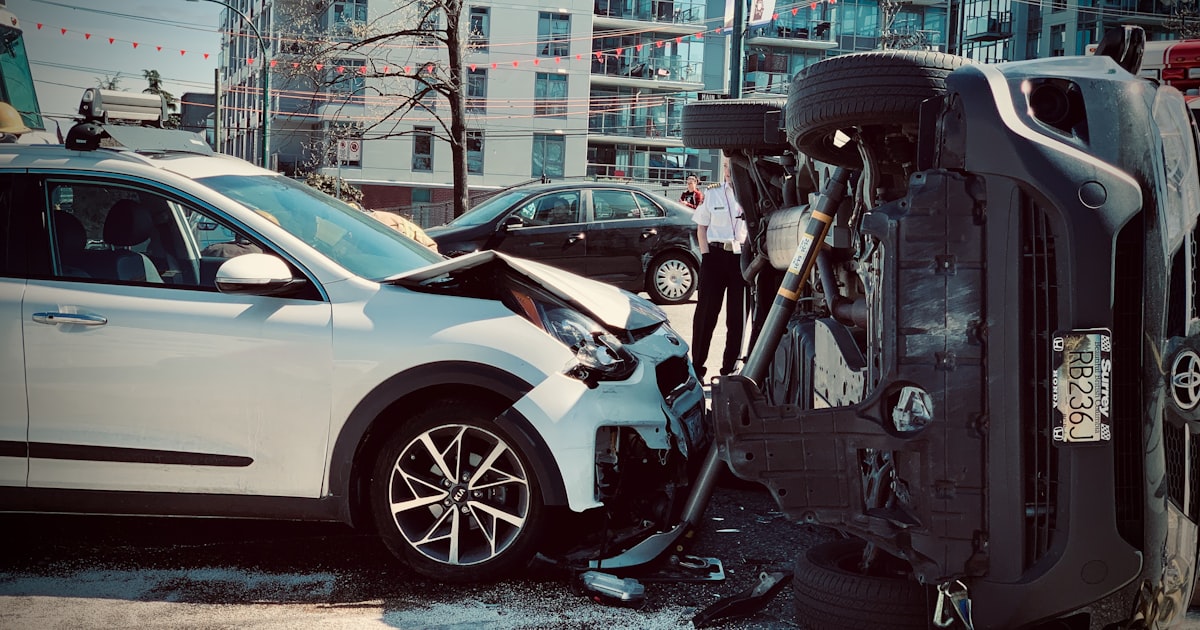
- Rollovers:If your vehicle flips over, regardless of the cause, collision coverage addresses the physical damage.
- Potholes and uneven surfaces:Significant suspension or rim damage caused by poor road conditions is generally classified under collision claims.
The 2026 Reality of Collision Claims
Modern vehicles in 2026 are built with sophisticated crumple zones and integrated sensor arrays. A "minor" bumper tap that might have cost $500 in 2015 can now result in a $4,000 repair bill due to the need for recalibrating radar and lidar sensors embedded in the bumper assembly. Because collision coverage is typically subject to a deductible, drivers are increasingly opting for lower deductibles to manage these high-cost repair scenarios.
Understanding Comprehensive Insurance: The "Everything Else" Coverage
While collision covers the "oops" moments while driving, comprehensive insurance—often called "other than collision" coverage—is your safety net for non-driving related perils. In 2026, climate-related risks have made comprehensive insurance an essential layer of protection for vehicle owners nationwide.
What Comprehensive Insurance Typically Covers
- Theft and Vandalism:If your vehicle is stolen or suffers spray-paint damage, this coverage applies.
- Natural Disasters:With extreme weather events becoming more frequent, coverage for flood, wildfire, hail, and windstorm damage is vital.
- Animal Collisions:Striking a deer, elk, or other wildlife is treated as a comprehensive claim because it is deemed an "unavoidable" event rather than a driver-error collision.
- Falling Objects:Damage from falling tree limbs, ice, or debris from overpasses is covered.
- Glass Damage:Windshield cracks and chips, which are frequent in 2026 due to increased highway debris, fall under comprehensive.
The Rise of Comprehensive Claims in 2026
In 2026, insurance data shows a significant uptick in comprehensive claims related to EV battery fires and climate-induced damage. Furthermore, catalytic converter theft, while seeing slight regional fluctuations, remains a significant source of comprehensive claims. As these repairs involve complex electrical or high-value mechanical components, the comprehensive portion of a policy has become a major factor in premium calculations.
Comparative Analysis: Collision vs. Comprehensive
To help you distinguish between the two, refer to the following comparison table which outlines the core differences in trigger events and coverage scope.
| Feature | Collision Insurance | Comprehensive Insurance |
|---|---|---|
| Primary Focus | Driving-related incidents | Non-driving/Environmental incidents |
| Common Triggers | Accidents, rollovers, hitting objects | Theft, fire, weather, animals, glass |
| Mandatory? | Required by lenders/lessors | Required by lenders/lessors |
| Typical Deductible | Variable ($250-$2,000) | Variable ($0-$1,000) |
Frequently Asked Questions
- Is "full coverage" a standard legal term I should look for when shopping for insurance in 2026?
No, "full coverage" is not a legal or industry-standard term. It is a colloquial expression used by agents and consumers to describe a policy that includes liability, collision, and comprehensive coverage. In 2026, relying on this term can be dangerous because it lacks a formal definition. An insurance policy is a legally binding contract, and your protection is defined by the specific declarations page, not by the term "full coverage." You must ensure your policy explicitly lists collision and comprehensive coverages, along with specific limits and deductibles. Never assume your policy includes gap insurance, rental reimbursement, or glass coverage just because you asked for "full coverage." Always review the line items in your quote to ensure you have the specific protections you need for your vehicle's current market value.
- If my car is older and its market value is low, is it still worth paying for collision and comprehensive coverage?
This is a strategic financial decision often referred to as the "10% rule." If the annual combined cost of your collision and comprehensive premiums exceeds 10% of your vehicle's actual cash value (ACV), it may be financially illogical to keep these coverages. In 2026, vehicles hold their value differently due to supply chain stabilization, so you should use an online valuation tool to determine your car’s current worth. If your car is worth $3,000 and the premiums for these coverages are $600 per year, you would have to pay the premium for five years to reach the car's value. If you have enough savings to replace the vehicle if it were totaled, you might consider dropping these coverages, but keep in mind that you would lose coverage for theft or major repair needs.
- Will my rates go up if I file a comprehensive claim compared to a collision claim?
Generally, filing a comprehensive claim is less likely to result in a premium increase than a collision claim. This is because collision claims involve your driving behavior, which insurers view as an indicator of future risk. If you are at fault in a collision, the insurer perceives you as a higher liability. Comprehensive claims, such as those for hail damage, theft, or hitting an animal, are categorized as "no-fault" incidents. Because these events are largely outside of the driver's control, they typically do not negatively impact your "at-fault" driving history. However, in 2026, insurers are increasingly using sophisticated data modeling, and frequent claims of any type—even non-fault—can sometimes flag a policy for review or lead to a "claims frequency" surcharge in certain states.
- How do high-tech ADAS features impact the cost of my collision coverage in 2026?
The integration of Advanced Driver Assistance Systems (ADAS) has fundamentally altered the repair landscape in 2026. If your vehicle is equipped with forward-collision warnings, blind-spot monitoring, or automated braking, your collision coverage must account for significantly higher repair costs. Even minor collisions now require specialized labor to recalibrate cameras and sensors behind the bumper or windshield. If these sensors are not calibrated perfectly, the vehicle's safety systems may fail. Consequently, collision premiums are higher for vehicles with expensive, complex electronic suites. While ADAS features theoretically reduce the frequency of accidents, when an accident does occur, the severity and cost per claim are substantially higher, which is reflected in your annual collision premium pricing models.
- If I live in an area prone to severe weather, what should I prioritize in my comprehensive coverage?
In 2026, climate risk is a primary factor in insurance pricing. If you live in an area prone to hail, wildfires, or flooding, prioritize checking the specific language in your comprehensive policy regarding "acts of God." Some policies might have higher deductibles for specific weather events. Additionally, consider "gap coverage" or "new car replacement" endorsements if your vehicle is relatively new. Because repair costs for flood-damaged vehicles are astronomical due to electrical shorts in modern vehicle computers, ensuring your comprehensive coverage has an adequate limit is vital. You should also verify if your policy includes "rental reimbursement," as weather-related repairs can often leave cars in the shop for weeks due to parts backlogs, which are still a lingering issue in the 2026 automotive supply chain.
- Does my comprehensive insurance cover damage to my EV battery?
Yes, comprehensive coverage typically covers damage to an electric vehicle's battery, provided the damage was caused by a covered peril such as fire, flood, or a specific accident involving external factors. However, the nuance in 2026 lies in the "mechanical breakdown" exclusion. Most standard policies do not cover the failure of an EV battery due to normal wear and tear, manufacturing defects, or improper charging. If a rock hits the battery casing on the underside of your car while driving, it is typically processed as a collision claim, not comprehensive. If your vehicle is flooded and the battery is ruined, that falls squarely under comprehensive coverage. Always check if your insurer offers a specific "EV endorsement" which might provide more tailored protection for battery-related damage.
- Can I choose a different deductible for comprehensive and collision?
Yes, you can and often should choose different deductibles for collision and comprehensive coverages. In 2026, many drivers choose a lower comprehensive deductible—such as $100 or $250—because comprehensive claims (like windshield repair or animal strikes) occur more frequently and are often smaller in scope. Conversely, many drivers opt for a higher collision deductible, such as $1,000 or $2,000, to lower their overall premium. This strategy is effective because it protects you from the smaller, more frequent costs of comprehensive perils while still providing a financial safety net for the major, catastrophic costs of an at-fault collision. By balancing these, you can optimize your premium while maintaining robust coverage.
- What happens if I am involved in a collision with an uninsured motorist?
If you are involved in a collision with an uninsured motorist, your collision coverage usually kicks in to pay for the repairs to your vehicle (minus your deductible). However, this does not cover medical bills or lost wages. That is where "Uninsured Motorist Property Damage" (UMPD) or "Uninsured Motorist Bodily Injury" (UMBI) coverage comes in. In 2026, with the rising number of uninsured drivers on the road, relying solely on your collision coverage can be costly because you will still be responsible for your deductible. If you have UMPD, the insurer may waive the deductible in certain states. It is highly recommended to carry robust uninsured motorist protection, as it serves as a critical supplement to your collision coverage, ensuring that a lapse in someone else’s insurance does not become your financial burden.
Conclusion
Navigating the distinctions between comprehensive and collision coverage in 2026 is essential for proactive risk management. Collision coverage handles the risks of the road, while comprehensive coverage manages the unpredictable nature of the world around your vehicle. By tailoring your deductibles and understanding these core protections, you can ensure your policy aligns with the unique demands of modern vehicle ownership and your personal financial objectives.
Related Blogs

How to Choose the Best Health Insurance Plan in 2026: A Complete Buyer's Guide
Jun 30, 2026

HMO vs PPO vs EPO: Which Health Insurance Network Is Right for You?
Jun 28, 2026

Understanding Health Insurance Deductibles, Copays, and Out-of-Pocket Maximums
Jun 26, 2026

Best Health Insurance Plans for Self-Employed Professionals in 2026
Jun 24, 2026

What Data Do Companies Collect
Jun 23, 2026

Family Health Insurance: How to Cover Everyone Without Breaking the Bank
Jun 22, 2026

How Auto Insurance Premiums Are Calculated: Factors That Affect Your Rate in 2026
Jun 20, 2026

How to Download Apps Safely from Stores: A Complete Security Guide
Jun 19, 2026

How to Spot Fake Websites: A Complete Guide to Protecting Yourself Online
Jun 16, 2026

Best Ways to Lower Your Car Insurance Premium Without Reducing Coverage
Jun 16, 2026